
 Image 1 of 4
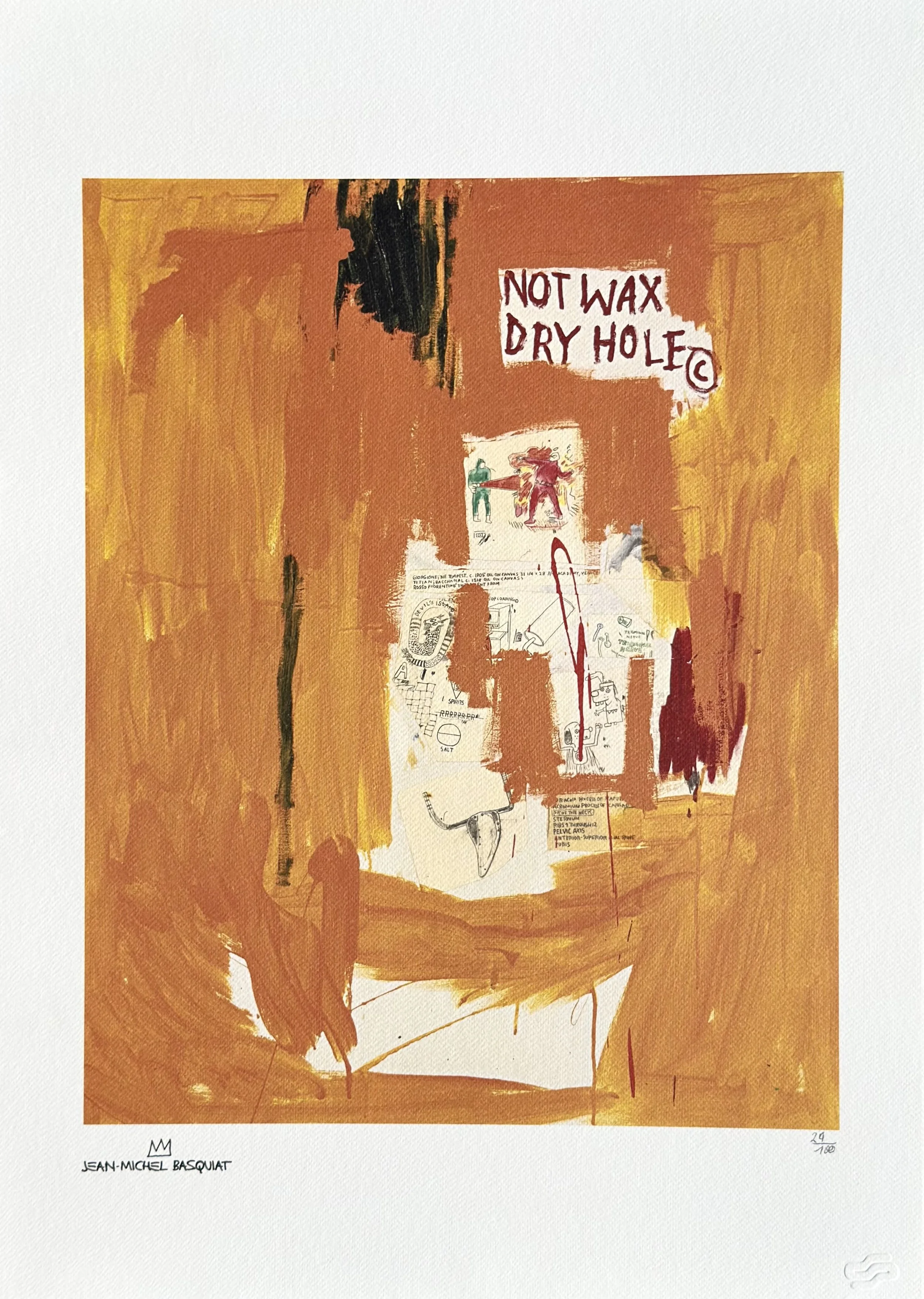 Image 2 of 4
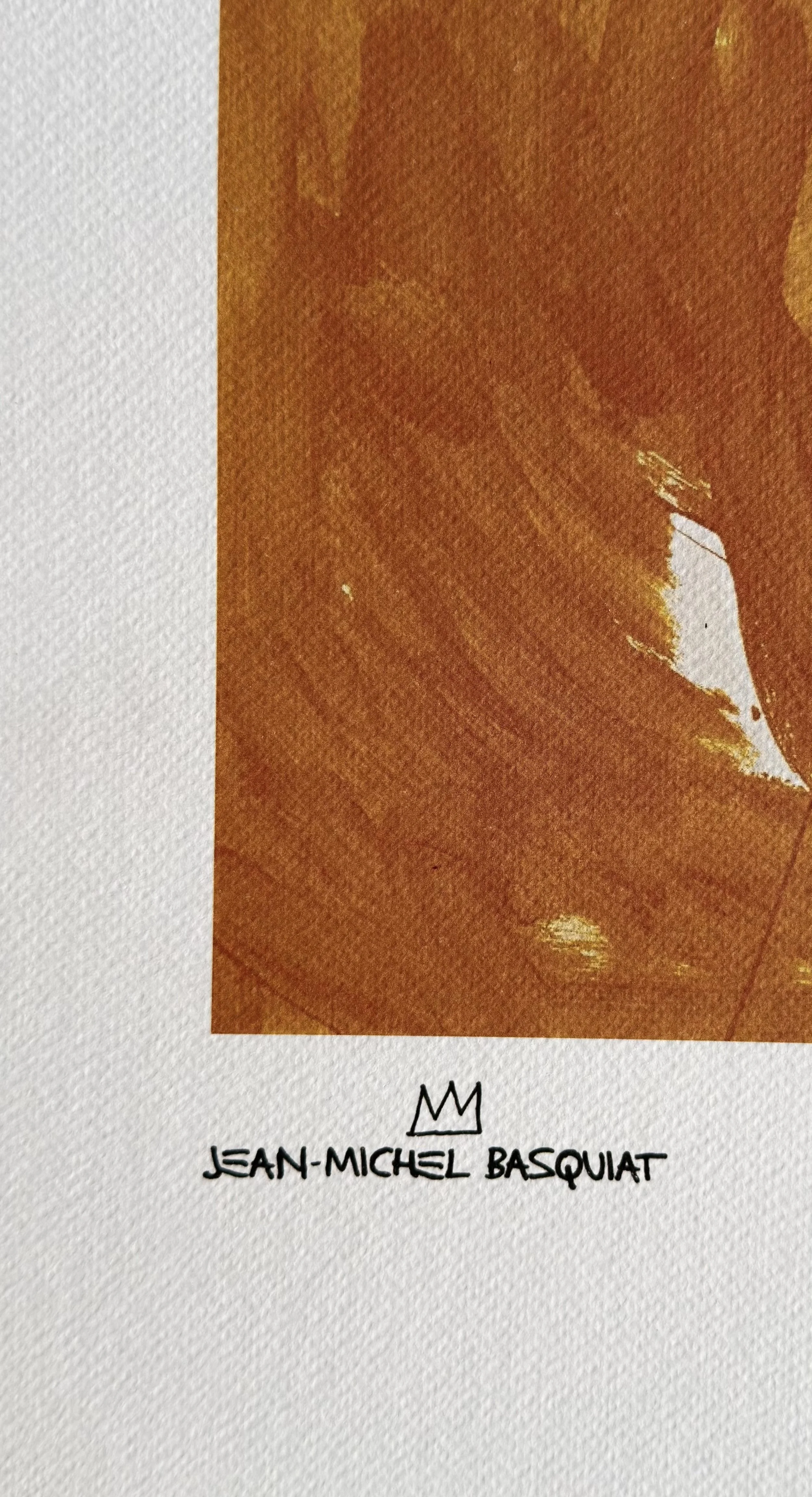 Image 3 of 4
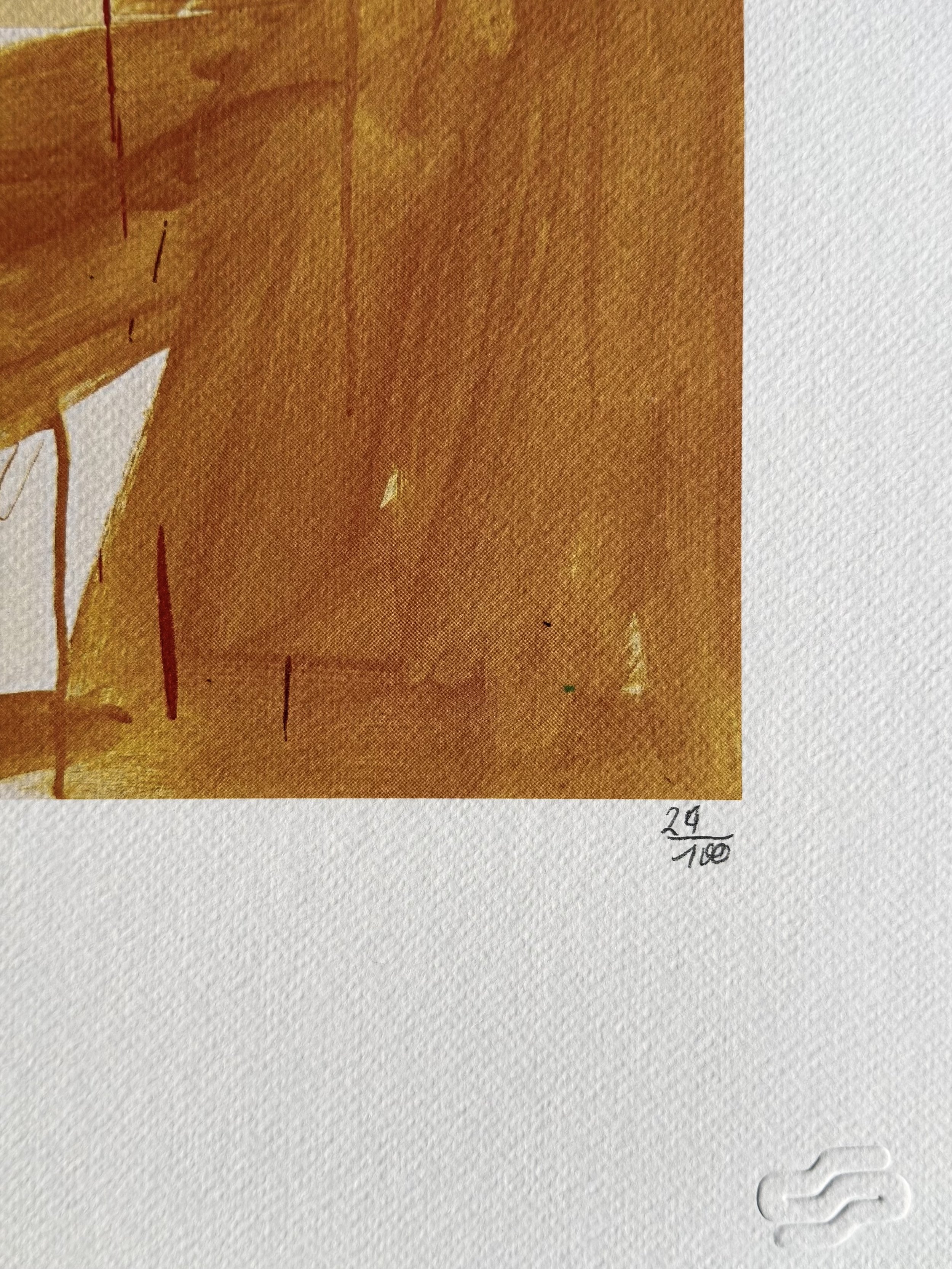 Image 4 of 4
A Final Treatise on Art History
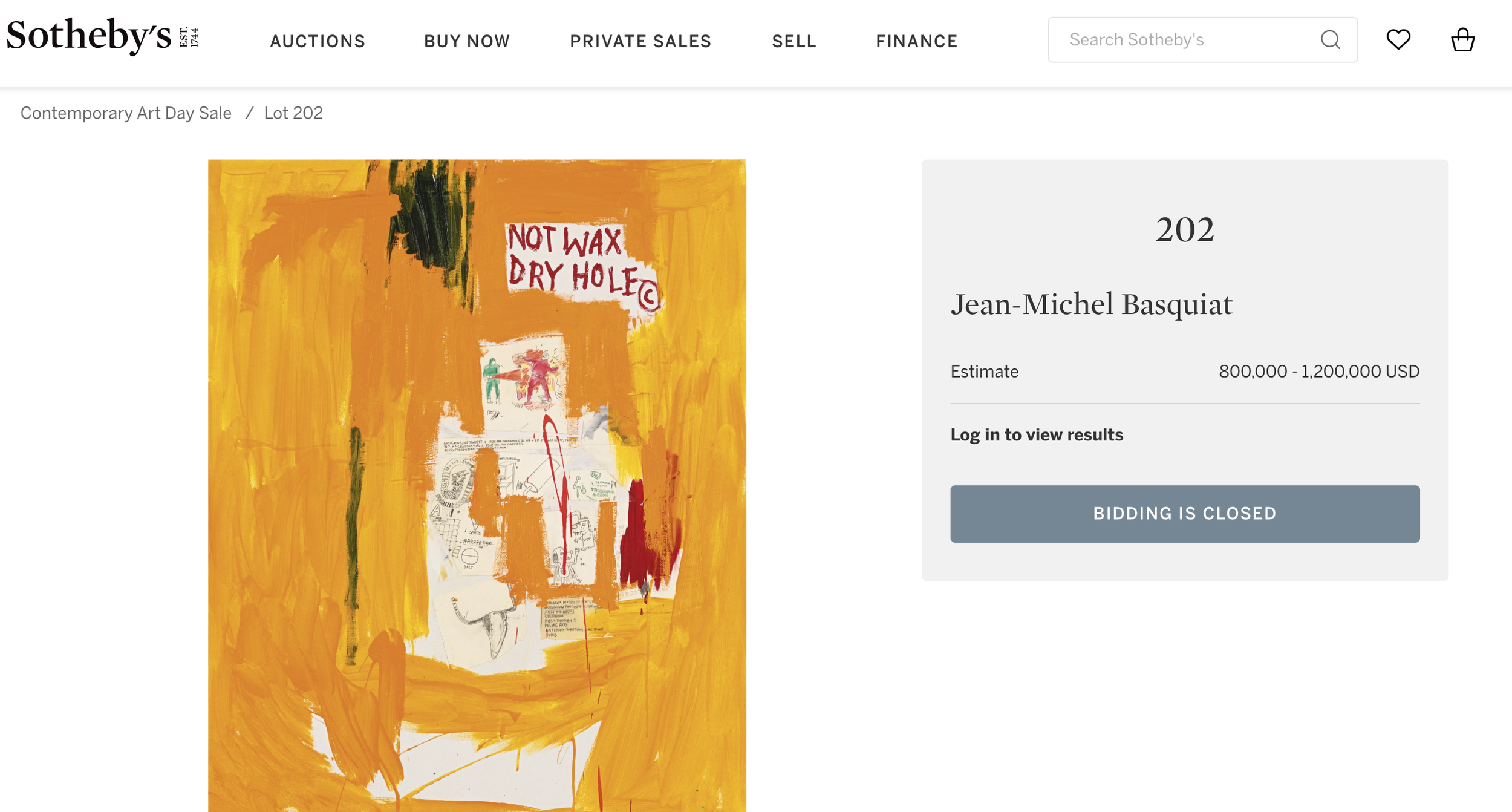
Completed in 1988, the year of the artist’s tragic passing, Orange serves as a premonitory masterpiece and a definitive reflection on Jean-Michel Basquiat’s artistic career. The work showcases his sophisticated understanding of American Abstraction, recasting the frantic energy of Jackson Pollock and the exuberant painterly gestures of De Kooning and Franz Kline. Through unmixed layers of vibrant orange, Basquiat weaves a complex narrative that remains simultaneously abstractionist and figurative, utilizing his signature integration of text and "blackboard-like" surfaces influenced by Beuys and Twombly.
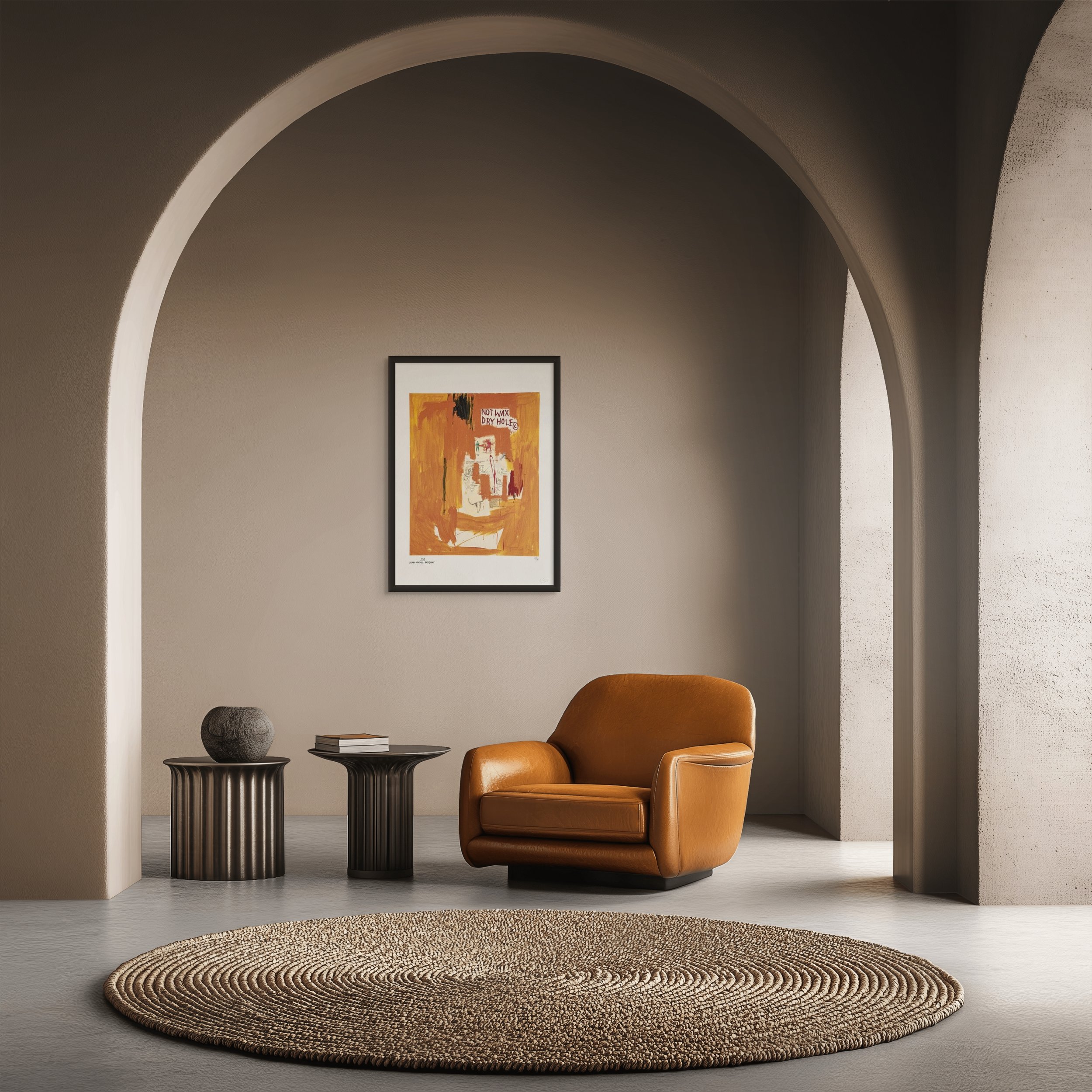
Central to the work's significance is Basquiat's bold dialogue with the Old Masters. In a masterful art-historical gesture, he lists iconic Renaissance works such as Giorgione’s The Tempest and Titian’s Bacchanal, deliberately manipulating their dates to challenge the trajectory of artistic discourse. By placing these references beneath imagery of dueling figures and his cryptic "NOT WAX DRY HOLE" text, Basquiat symbolizes the surpassing of the classical pantheon by the raw force of contemporary movements. This 1990 lithograph by Rupert Jasen Smith—the visionary master printer of the Pop era—preserves the visceral power of Basquiat’s final year, serving as a museum-grade bridge to his cultural and autobiographical legacy.